Finished Climbing Challenge, On To Distance Challenge
Get link
Facebook
X
Pinterest
Email
Other Apps
https://ift.tt/OiXSpoJ
On last Tuesday, June 30th, I finished my June climbing challenge with a total of 7,652 meters. The highest mountain in the world is Chomolungma (Mt Everest) at 8,848 meters. Looking at the tallest peaks of each continent, South America comes in 2nd with Aconcagua at 6,962 meters. Exceeding 8848 meters is a challenge called “Everesting”. I didn’t quite make that. But I did do a bit more than “Aconcagua-ing”, which feels pretty good.
Having a challenge makes training fun, so moving on to July I’ve signed up for the 800 km distance challenge. I’m actually shooting for 1000 miles which is a little over 1600 km. This requires a bit over 2 hours of riding on average at 15 mph (24 kph) or more, which seems doable. In the first 4 days I’m ahead of schedule with just over 111 miles so far. I’m enjoying this one more than the climbing one because speed on the flats is my recumbent’s forte a lot more than climbing.
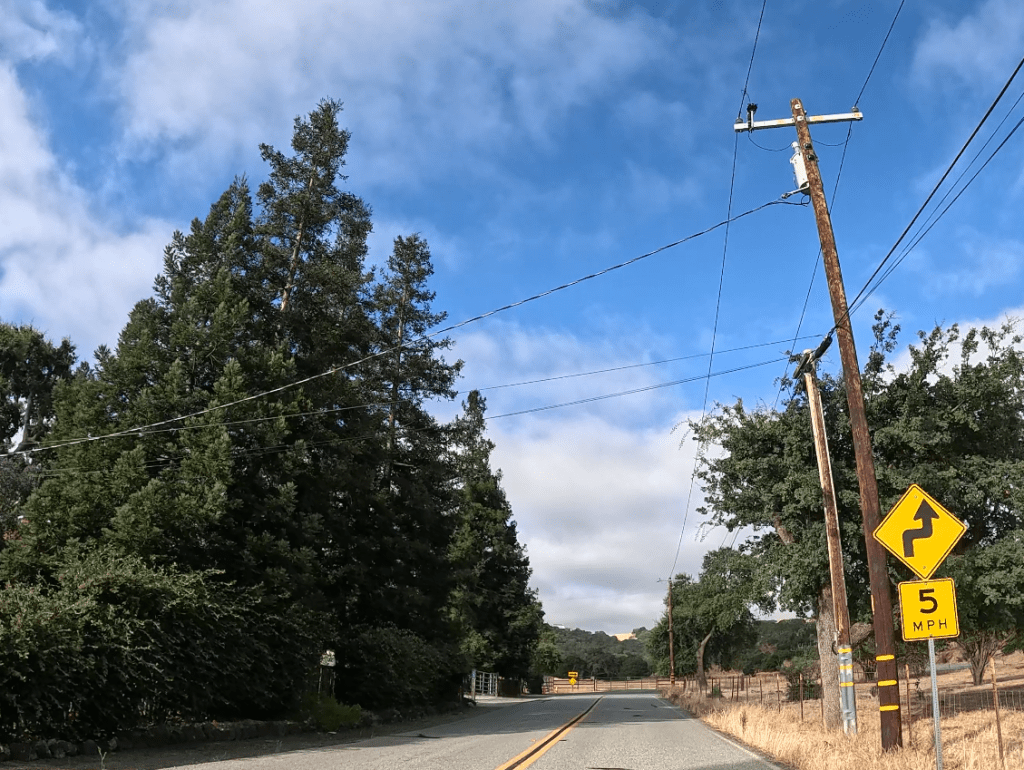
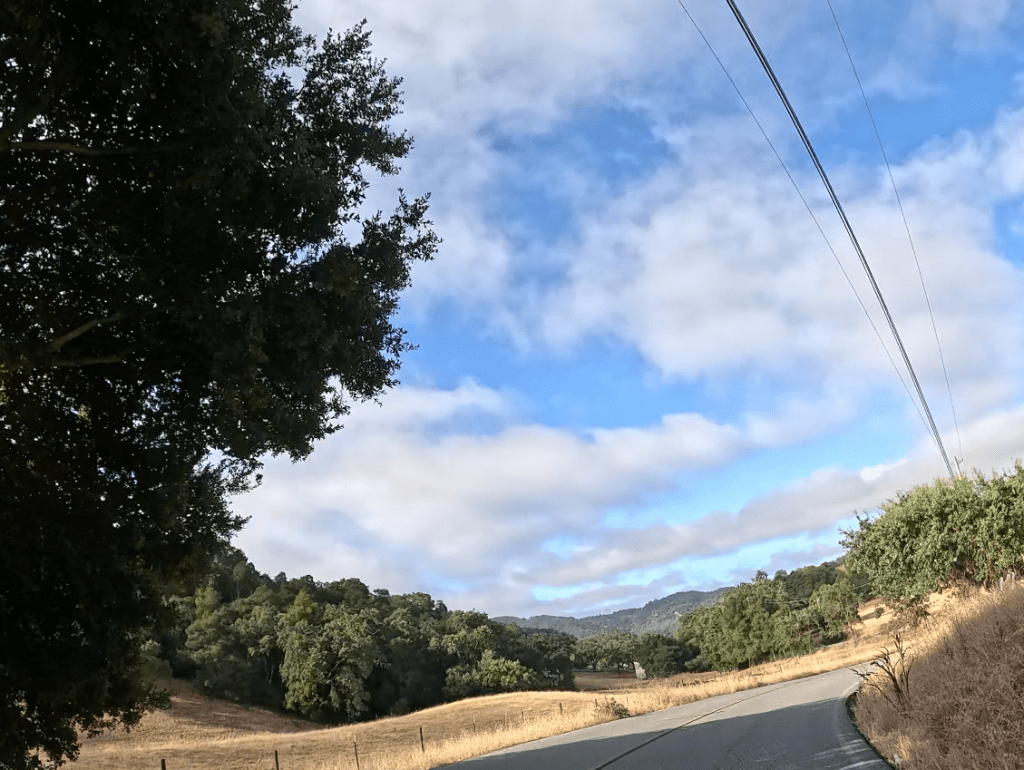
Last Sunday I did a long cruise through the mountain roads northwest of Morgan Hill.
Starting Up Willow Springs Road Last SundayOne of the Steep Parts of the Willow Springs ClimbBlasting Down the back side on Willow SpringsTurning On to Casa Loma RoadAt the end of Casa Loma, the parking lot for Rancho Canada Del Oro Open Space is on the leftOn Tuesday my Group Ride Went out to Croy Road where I used to live. This is one of the many climbsJust under 2 miles up the road is 7025, my old house, behind the gateNear the end of Croy is the entrance to the Swedish American Community Sveadal. This is a private road but the County has an easement through it to get to Uvas Canyon park. The road gets narrow at this point.Note to Self: Never again up Croy road on a recumbent! A car crested the hill as I was slowly climbing it so I had to stop. No way to get going up a steep hill on a recumbent so I had to walk upI call this “Ranger Hill” because the ranger station at the entrance to the park is just over the top. I just barely made it on my recumbent with all the assist my little motor could give.It’s a lot more fun going back down Croy road!Uvas ReservoirApproaching the entrance to the rest stop at Uvas ReservoirThere is a long fast fun downhill after passing the dam
https://ift.tt/aS2nC3F Fall in our area is not as spectacular as in other places but it’s nice that it lasts this long. Some trees have lost their leaves by now, but other species, such as maples, are peaking. Yesterday I enjoyed a long ride up into the hills West of town. I rode through Paradise valley then past Chesbro reservoir, and returned to town via Willow Springs road, enjoying the glorious sunshine. Long rides at an easy pace, like this one, feel like they are good for my leaky heart valve, or at least are relaxing. I won’t give them up unless my cardiologist convinces me too, but I’m pretty sure he’ll approve. The hill across Chesbro reservoir, with the dam on the left Looking down Willow Springs road Japanese Maple in our back yard
https://ift.tt/wxOr4u3 My last strength workout went really well, I was able to go pretty hard without pushing my heart rate excessively. But afterwards it occurred to me that monitoring heart rate might not be enough. Strength training can cause a temporary spike in blood pressure which is probably not a good idea. I figured there must be a lot of research on this, because there are a lot of older people with cardiac limitations besides mine which is relatively rare (including heart-attack survivors, angina sufferers, and those with valve regurgitation). And they are still encouraged to do strength training to prevent sarcopenia. So I asked Gemini deep research about it and it produced this fascinating report . It points out that a resistance training session, properly performed, is beneficial to the heart because while it temporarily raises blood pressure, there is “a phenomenon known as post-exercise hypotension, where blood pressure remains below pre-exercise resting levels for se...
https://ift.tt/V59Jb1v A recent article in Neuroscience News covers a Stanford study [1] on cell secretions during exercise. These were previously known about but it was not possible to isolate them from the blood for study. The Stanford group came up with a novel way to dive deeper into the blood to isolate these molecules, called exerkines. The study was on mice and had some surprising results. One was the high number of exerkines produced during exercise. “This means that the effects of physical activity are very widespread across many tissues and organ systems,” one of the co-authors of the study said. “We’re only just starting to understand that complexity.” A second surprise was some unexpected healthy changes (anti-obesity, anti-diabetic, and exercise performance-enhancing) related to liver cells. This new approach is promising and I’m interested in seeing it repeated in humans. References Wei, W, et al, “Organism-wide, cell-type-specific secretome mapping of exercise tr...



Comments
Post a Comment