I’ve been continuing to pursue my distance challenge in the time since my last post, with decent-length rides each day. As of July 25th I’ve done 813 miles (1309 km), so I’ve got six days left to make it to 1000. Before I get big-headed about this, the leader in the challenge worldwide in the 70-74 age group has done 2390 miles (3850 km) so far and I am in 235th place in my age group. Still, this will be a lifetime PR for me for mileage in a month and I’m having fun pursuing it.
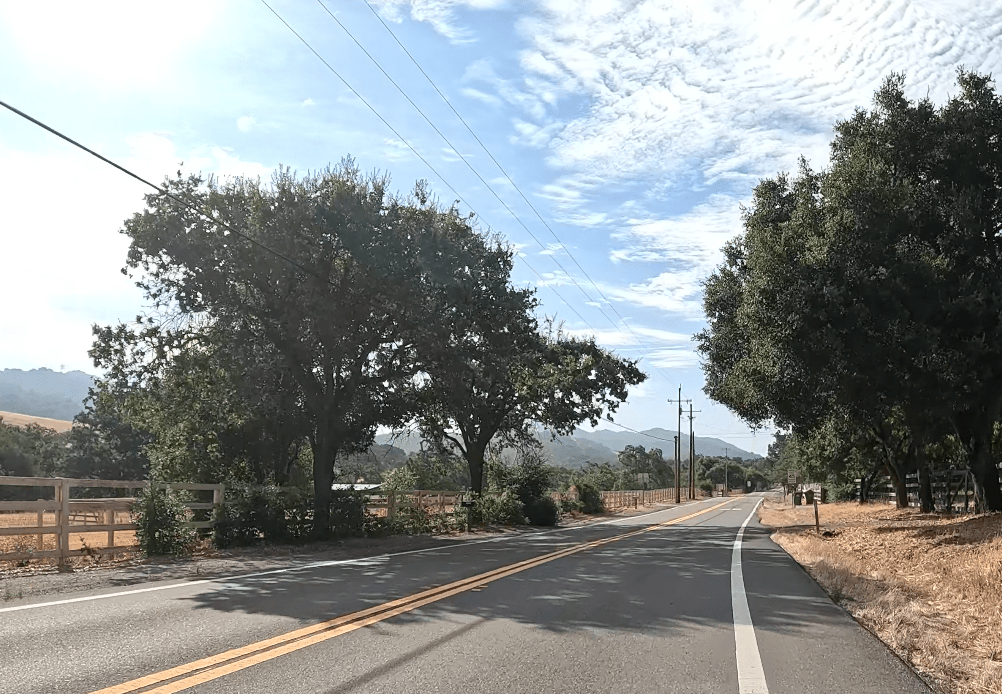
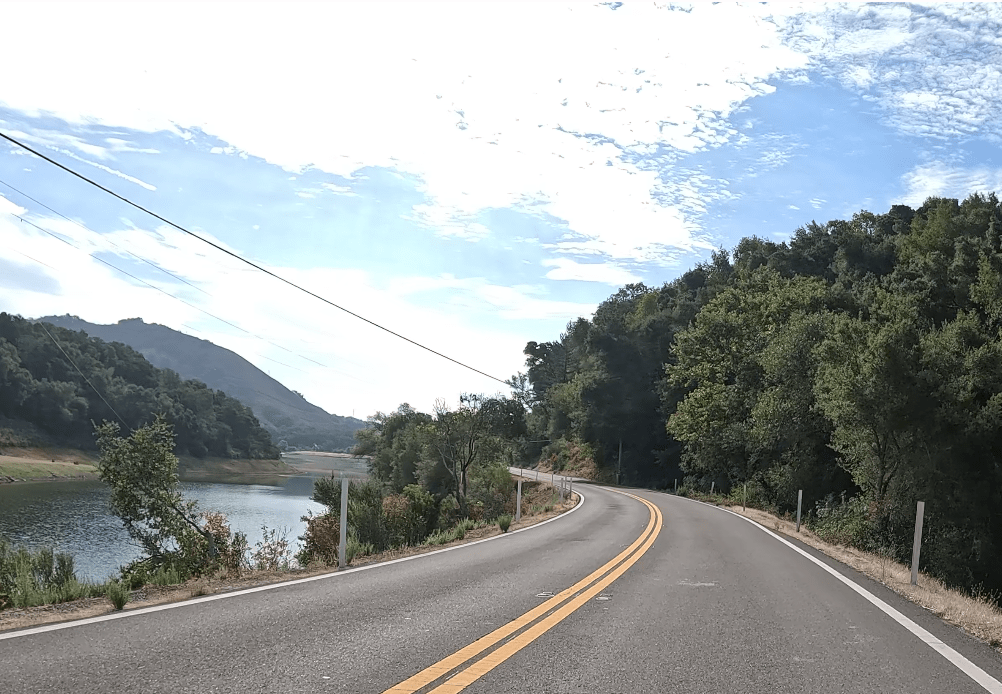
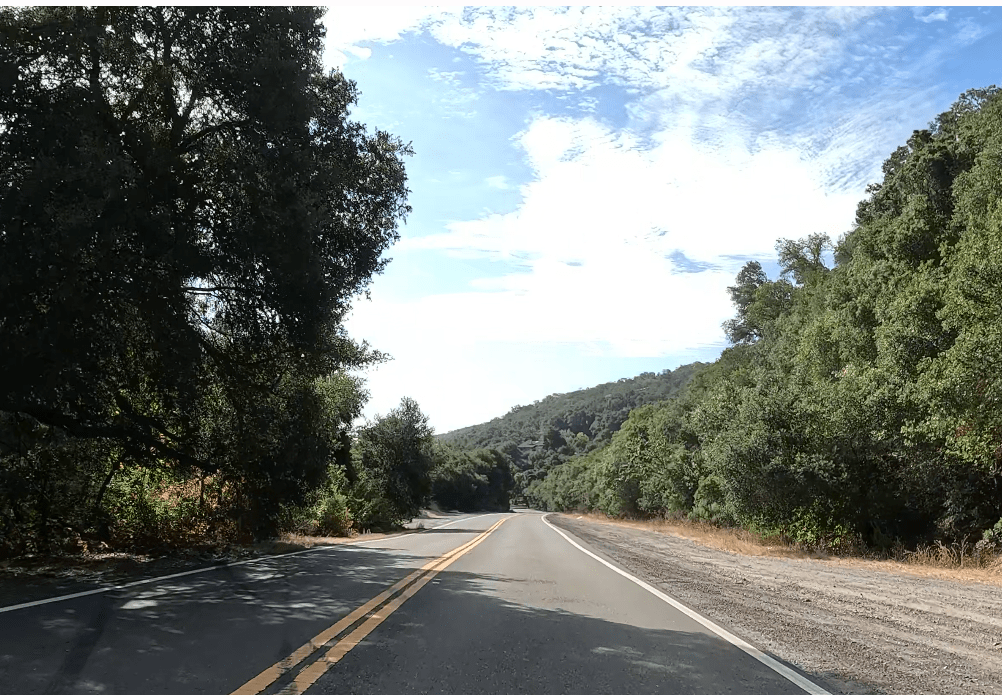
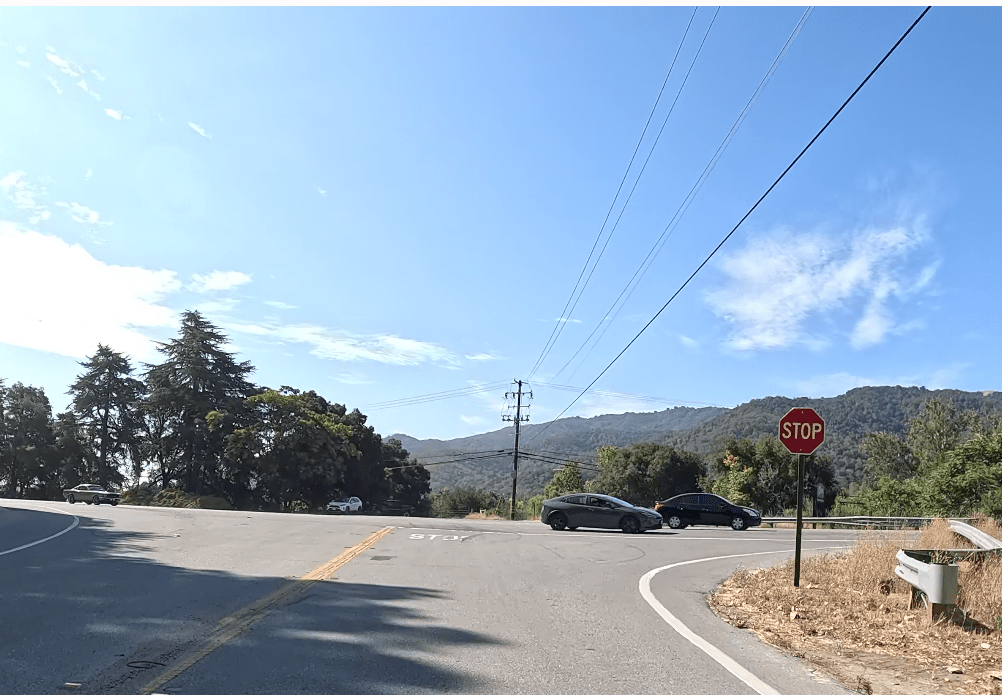
Last Sunday I did a long ride of 84 km in 3 hours 15 minutes, mostly in the mountains northwest to southwest of Morgan Hill.
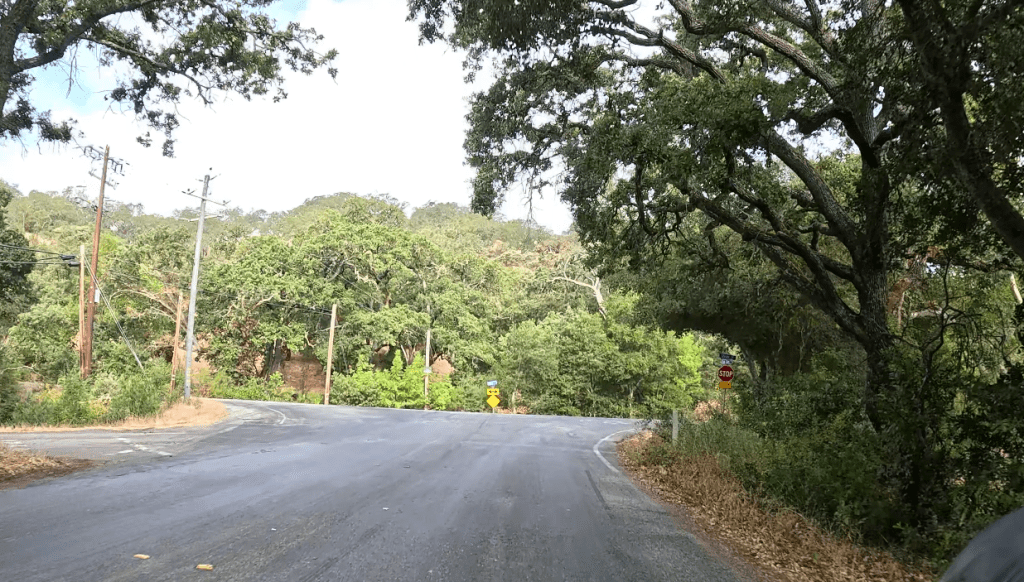
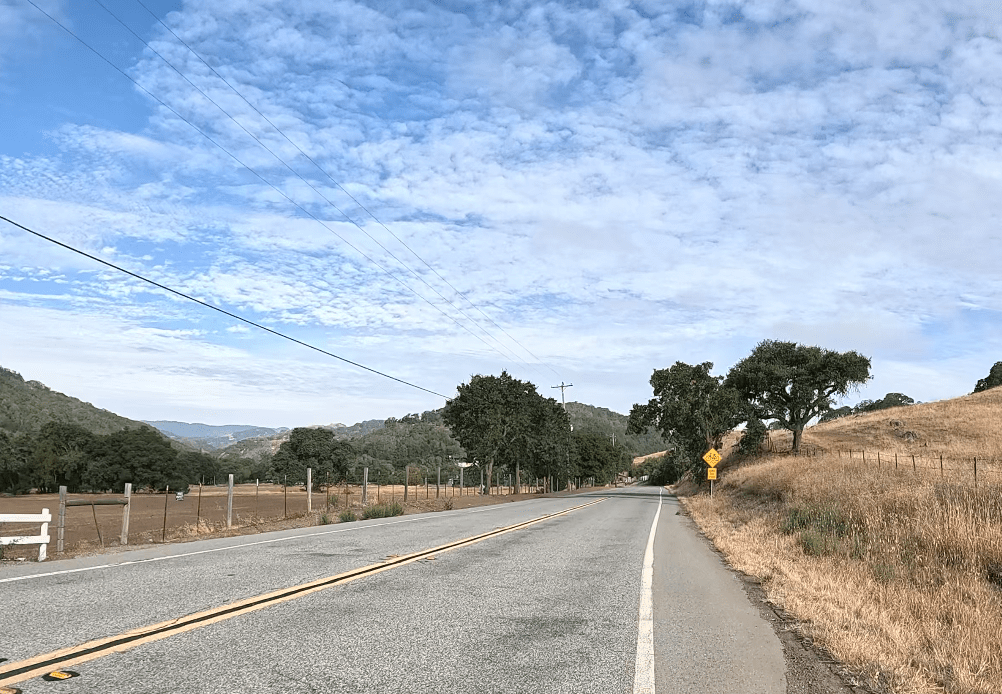
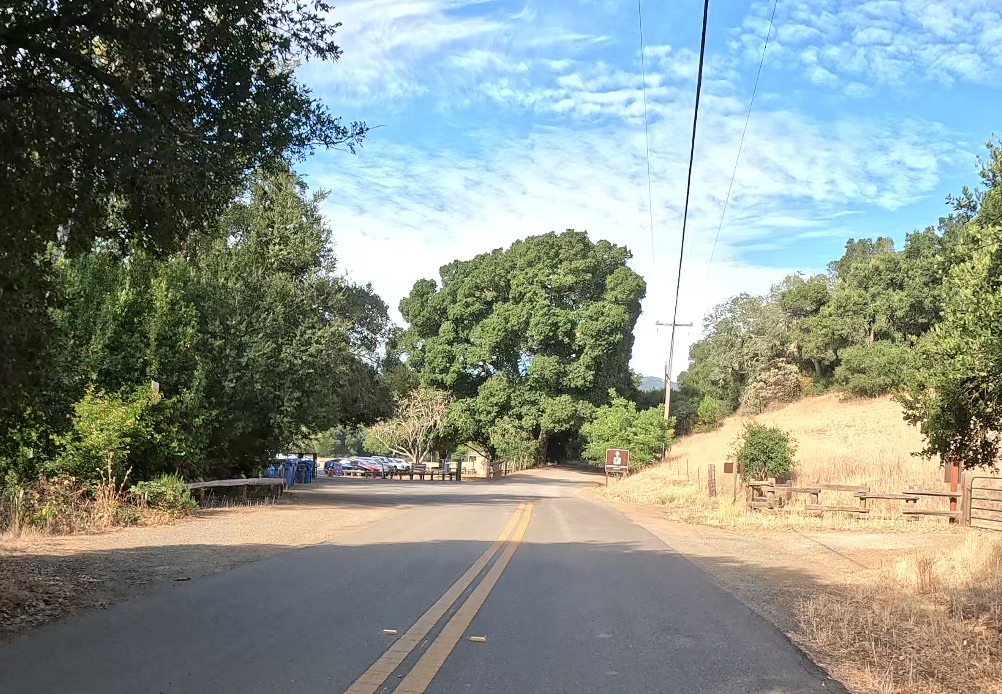
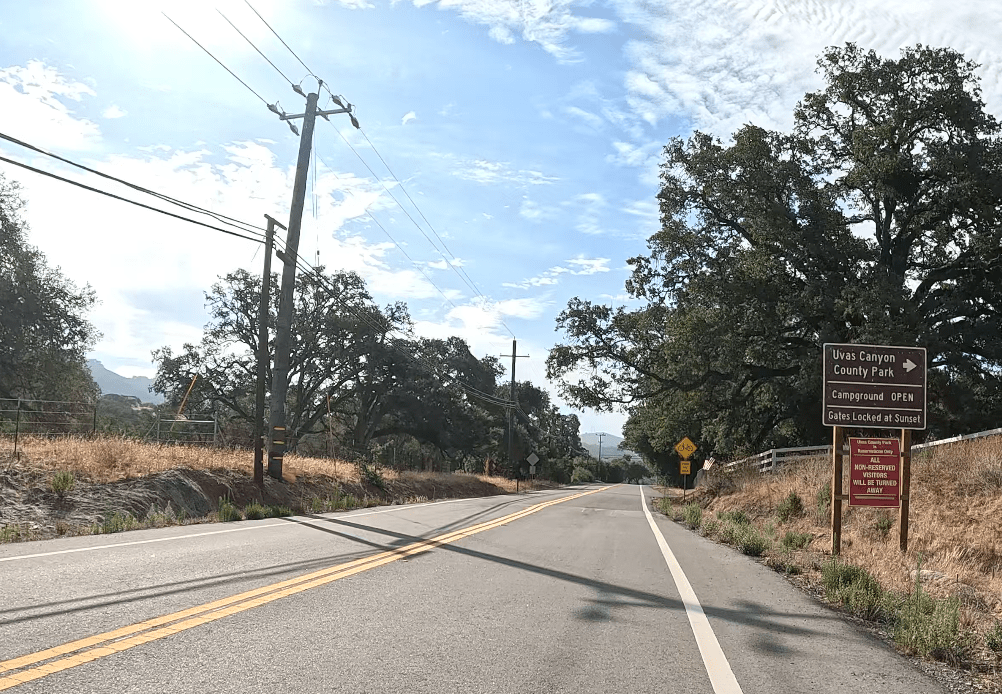
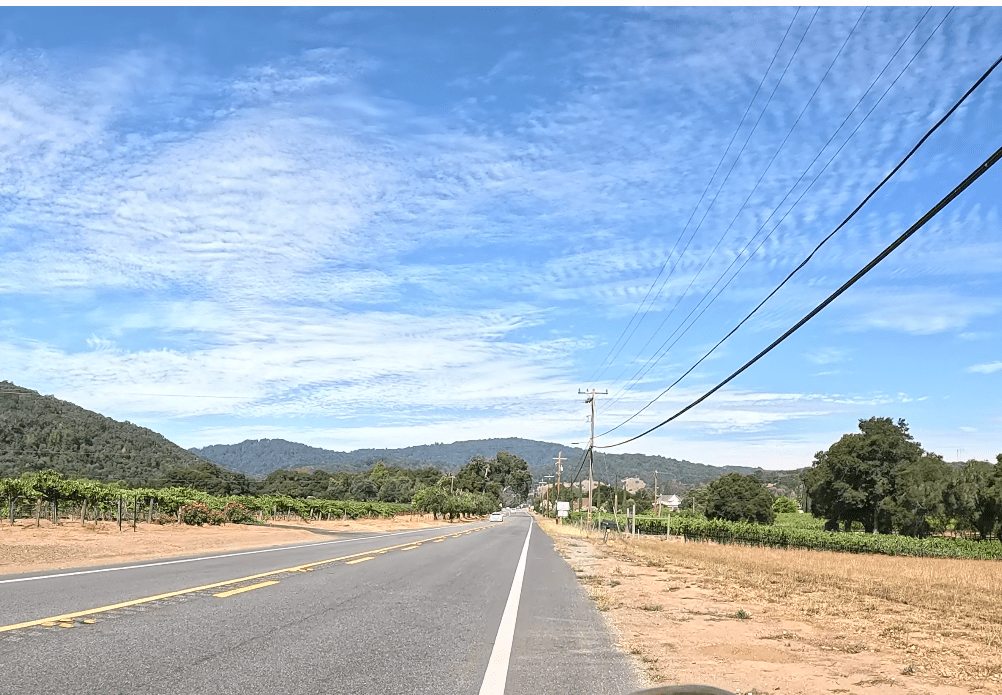
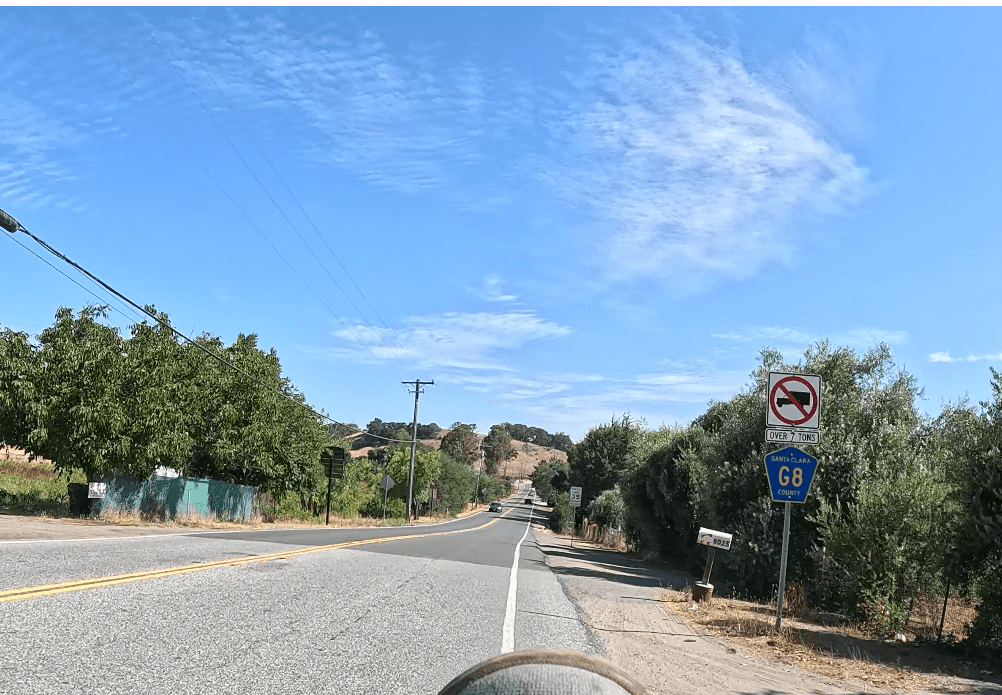
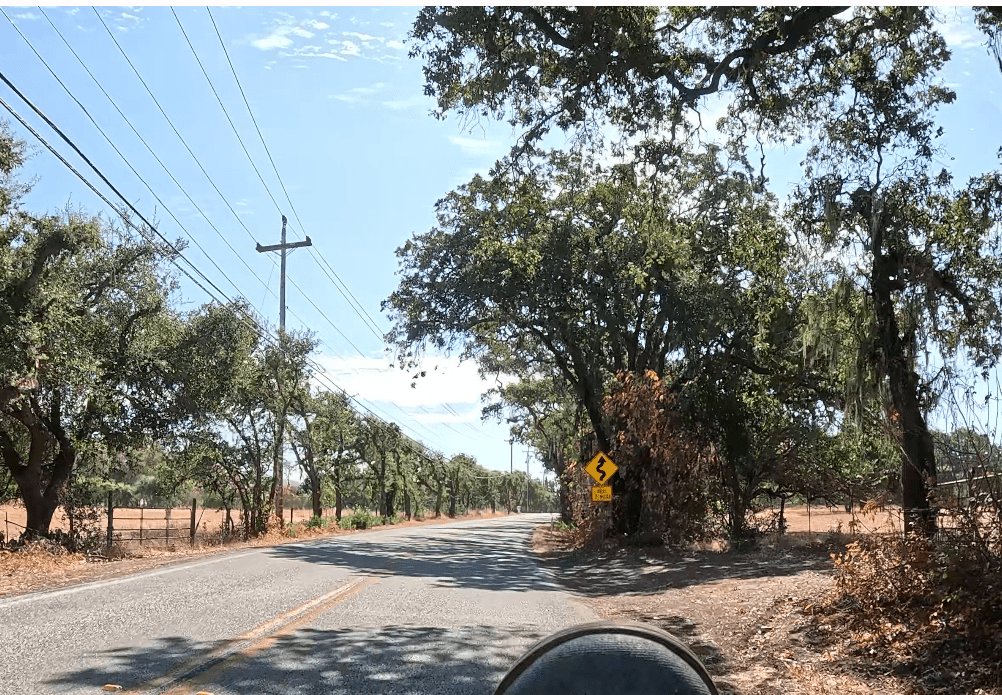
Approaching Uvas Road from Oak Glen AveNorth on Uvas towards Casa Loma AveHeading Out Casa Loma with a horse ranch on the leftThe entrance to Rancho Canada Del Oro Open Space On Casa LomaBack On Uvas and Heading SouthPassing The Turn onto Croy Rd, which I used to live onPassing Pico Ranch on the leftI’m glad the driver of this septic tank pumper gave me a toot to warn he was passing. I’d prefer my obituary not to include “run over by a poop truck”Passing Uvas ReservoirZooming Down the Big hill from Uvas DamNow I’m continuing South on Watsonville Road, passing Chictactic-Adams ParkI’ve cut across on Burchell Road, a quiet country road, and am approaching the much busier Hecker Pass highway which leads to Watsonville. Fortunately it has a decent shoulder on the portion I traveled.Passing some vineyards on Hecker Pass HighwayThe highway starts the climb to the pass here, but the shoulder runs out. Party’s over, time to turn aroundJust turned left on Watsonville Road off of Hecker Pass highway and heading North againI’ve turned east off Watsonville onto Day Road on my way home. That’s my right foot at the top of it’s pedal stroke sneaking into the frame
https://ift.tt/5FQAB8C http://www.Amazon.com/books Jump Start – The Science of Exercise Therapy for Anxiety & Depression, by Benjamin Kramer, is a well-researched 29-page book reviewing research on exercise and its effects on depression and anxiety. The book reveals that multiple studies have shown the benefits for exercise on depression, anxiety, and other mood disorders: Exercise is a powerful preventative for mood disorders. Exercise has about the same benefits as medications for treating mood disorders. Those that use exercise for treating mood disorders are much less likely to relapse than those using drugs. It can be problematic starting an exercise program while depressed because it is harder to find the motivation. An interesting approach mentioned by the author is to start out with medication, which will alleviate symptoms. Then it might be easier to get started with exercising, and the drugs may not be needed longer-term. This is something that should be discu...
https://ift.tt/8QDSc4C My group ride was supposed to start at 10 this morning but there was an unexpected forecast of possible showers, unusual for us this late. I decided to put some rain gear on and ride anyway, I was pretty sure the group would cancel but I could just keep riding on my own. I headed towards the start of the ride and no one was there. I got rained on quite a bit around 10 but then it stopped, At about 10:20 I ran into a friend from the group who said the ride was postponed till 10:30 (which I’d also received a text about but didn’t hear the notification because my phone was hidden away). The postponement turned out to be a good choice because the rain did not return. It was mostly grey the rest of the ride but we did see some periods of sun. One odd occurrence was seeing hundreds of baby frogs crossing the trail, heading towards a pond next to it. We had a nice lunch afterward in downtown Morgan Hill. This turned out to be an extra-long ride for me of 4 hours and 20 ...
https://ift.tt/FZvm9jA https://www.helpguide.org/articles/mental-health/social-media-and-mental-health.htm A recent study at Iowa State University showed that various important mental health indicators are significantly improved by voluntarily limiting the use of social media to no more than 30 minutes a day. This was reported in an article in Neuroscience News : “ Key Facts: Participants who limited their social media usage to 30 minutes a day demonstrated a significant reduction in anxiety, depression, loneliness, and fear of missing out. The study found that striving to reduce social media usage, even if occasionally exceeding the limit, still yielded positive mental health benefits. The researchers suggest this self-limiting method of reducing social media usage, which could be more practical than strict abstention, may serve as an effective intervention against rising mental health issues among young adults.” Since 45% of US teens are online “almost constantly” (a num...







Comments
Post a Comment